Blue Market Argentina
Blue Market Argentina
As we are travelling across many borders and into new countries many adjustments have to be made, whether it be familiarising onself with new language, new foods, customs and most importantly new currency. Money in today’s world is a necessary evil and in most cases you will not get too far without it. We have handled dollars in the USA & Panama, Mexican, Cuban and Colombian pesos to name but a few, and Quetzals and Colones. Argentina however is a whole new ball game. Usually we would arrive in a country and maybe exchange some currency at the border, usually enough for a taxi and food upon arrival and then use our bank cards in the town or city. This option is available in Argentina but not recommended, the system best to utilise is “The blue dollar”. Read on to see why this currency option would prove to be the trickiest we have ever used!
Blue Market Argentina Cons and Cash
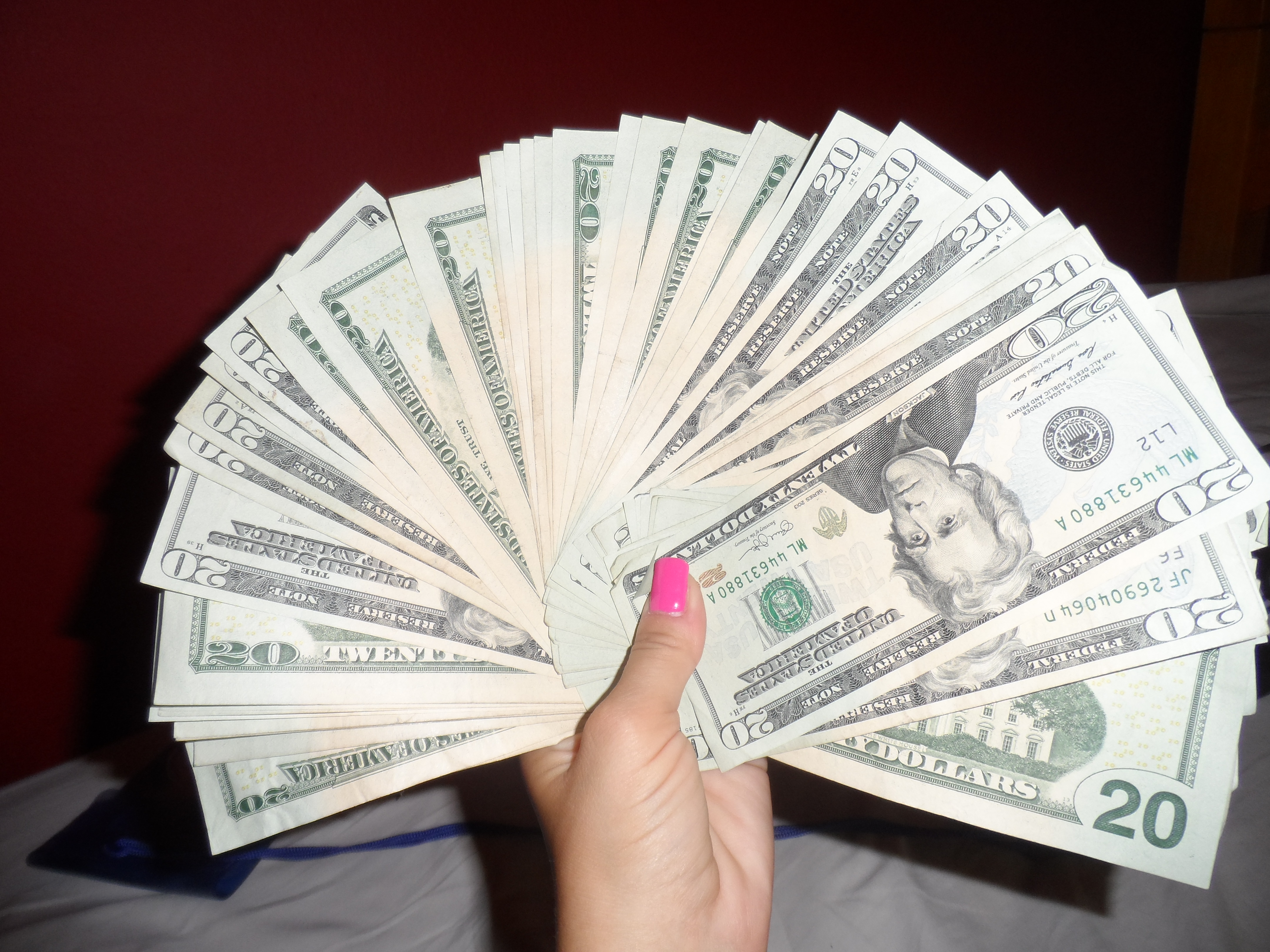
The blue dollar is no secret and exchanging dollars on the black or blue market is easy enough with illegal traders swarming Florida street in Buenos Aires city centre. This activity is illegal and many tourists unfortunately get targeted immediately after exchange by observant thieves, but for our money to stretch a little further we needed to become familiar with this system. Naively at first I believed that I could obtain some US dollars at the ATM in Buenos Aires and then trade for pesos but this would defeat the need for this illegal trading. To keep it in simple terms the government has banned all outside currency, most notably the euro and dollar in an effort to keep the peso trading. These street changers saw a loophole to buy some euros and dollars from tourists and locals for a reasonable rate.
In Paraguay, before leaving for Argentina, we withdrew over 400,000 in Paraguayan Guarani before exchanging it for about $US1,000. With these dollars we would now be able to avail of a better exchange rate than offered by the banks. While we were here the official rate was 8 pesos to 1 US dollar and we heard we could get around 12 on the blue market. We were told that Florida street was the place to go so loaded with $US250 we headed into the unknown. Immediately upon arrival at Florida St guys and girls called out “Cambio, Cambio”, (exchange). We tentatively walked towards an “honest” looking guy and asked how much for $1 dollar. He said “11.9” so I asked for more, he then said 12 which we accepted. We should have maybe shopped around but this was our first time and 12 pesos was certainly better than the official rate of 8!
Our trader asked where we were from? and other such small talk while leading us to a nearby office block. We walked to the first floor where we were taken into an office with a guy behind a clear screen. Quick as a flash he showed us on a calculator how much we would receive, on this occasion 3,000 pesos. The money was then put through a counting machine before we checked for authenticity (checked for watermarks, metallic strip, ink quality) and led back to the street. Our trader shook our hands, and wished us a good trip as we headed off loaded with pesos. It was hard not to feel dirty but very happy we beat the system! For the next couple of days we spent our cash, which at first was a large wallet bulging lot of 100 pesos, which quickly shrinks. When you think of it the largest note this country offers barely covers the cost of a happy meal in McDonald’s, imagine going into McDonald’s anywhere in the Euro zone and failing to buy a meal with a €500 note!!! This means we would need to use these money changers on several occasions. Our next transaction was smooth three days later with us receiving 13.2 pesos for a dollar, much better than 12 we received a few days earlier. Our third transaction however would not be so smooth.
This time we took along US$300 but with experience we now walked up and down Florida street comparing rates. The highest we received was 12.9 but we held out for 13 which we finally got. The trader asked the usual questions, where are you from? How much do we want to change? etc. but this transaction felt dodgy from the beginning. We were led up a nearby apartment block where we were taken into a room with a door leading to a room behind a plastic screen shielding the trader from us. This was different from previous occasions as the trader normally stood beside us but we handed over our US$300. Quick as a flash our trader showed us two, one hundred dollar bills and a one dollar note. “Is this all?” he said, “what do you mean?” we responded. “We gave you three hundred dollars”. At this point the trader became aggressive and spoke only Spanish where previously he spoke excellent English.
We kept our calm however and gave him the opportunity to come clean, we knew he was scamming us and his shaking hands were a dead give away. Like magic the other one hundred dollar bill finally appeared after some shouting and the smiling trader handed it over to the “counter”. The money counter signalled 34 one hundred peso bills, another scam, I knew we were due 39 bills totaling 3,900 pesos and told him so. In the end he gave us our money but before I left I ensured I checked each and every note for authenticity. The experience left a bad taste in the mouth but a valuable lesson learned. We handed over the cash rolled up, next time we will check and hand over the dollar bills separately to ensure no scams. We dread to think how many people were not as fortunate as us and got ripped off.
The blue market is a fact of life here and common knowledge but for newcomers can be very daunting. After some local advice and experience it is possible to find some safe and “legitimate” change houses where scams are less frequent. You could use your bank cards and receive the official rate but as a backpacker this was never a viable option. As I stated previously it is good to beat the system but as always the case in life there are some good and bad in the exchange business just beware!
Blue Market Argentina
NEXT READ;